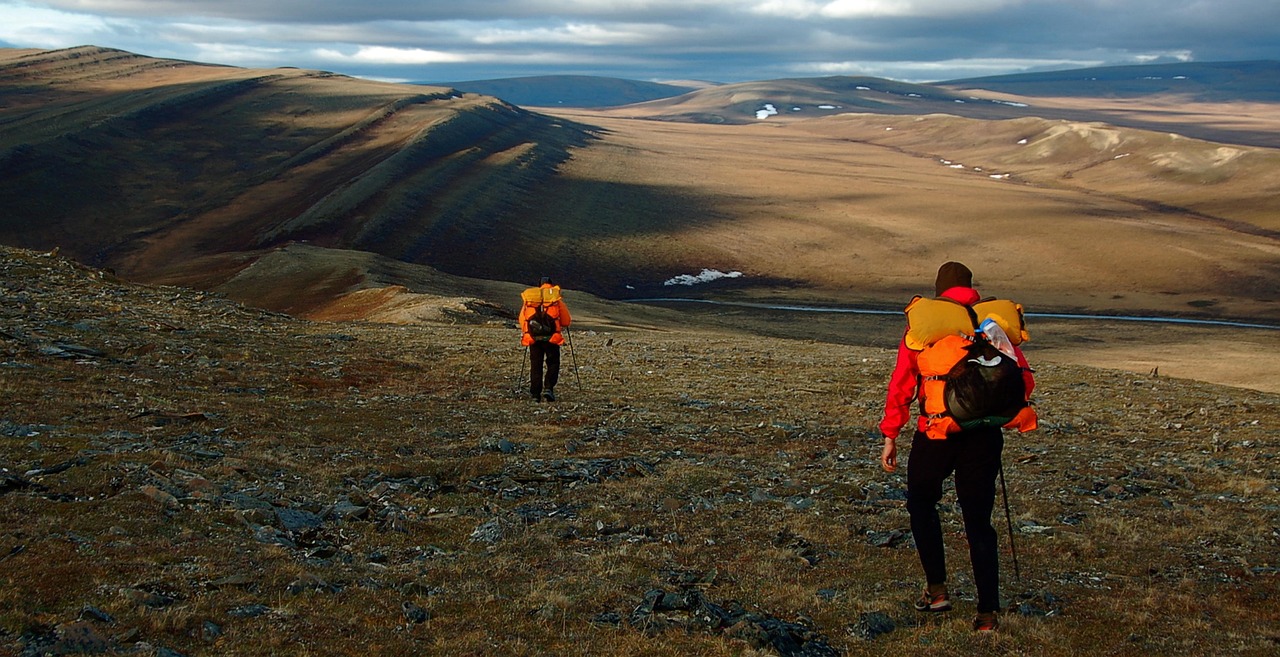
Are you a search & rescue volunteer? Your gear list should be portable, efficient, but also comprehensive. Some of the best gear that you can have in your search and rescue pack are items that have multiple uses in the field. Here are 10 items that you need in your search & rescue gear pack. If you need your annual bloodborne pathogen training, check out our Bloodborne Pathogen Course!
10 Items You Need in Your
Search & Rescue Gear Pack
1. Cloth Tape Measure
A cloth tape measure is a great addition to your search and rescue kit. You should use one to measure potential clues, such as tracks. Or even put next to clues or tracks that you take photos of and then upload them to a search management platform, such as CalTopo.
2. Contractor Trash Bags
Might seem weird, but contractor trash bags make an excellent addition to your search and rescue kit. In fact, many teams require you to carry them. Contractor trash bags make excellent emergency ponchos, bivvys, and you can use them to protect clues, your gear, and sleep on, should you be out overnight.
3. Glow Sticks or Chem Lights
Having a good set of glow sticks in your pack can be important for night-time searches. They’re lightweight, inexpensive, and can be used to mark last-known points, flag hazards, identify team members, or mark a trail in low-visibility conditions.
4. Navigation Protractor
Manual map reading and orienteering tools are still important. Items such as military protractors can be excellent additions to your search and rescue kit. Get one that has markings for different scales to make jumping from map to map efficient.
5. CAT Tourniquet
Most search and rescue kits don’t need a major trauma kit (though each team should have at least one). However, incorporating a legitimate C-A-T tourniquet can be a lightweight, practical method to carry to potentially stem hemorrhagic bleeding.
6. A Multi-Tool
While knives are fun to carry, they aren’t always the most practical. A good multi-tool, on the other hand, such as the Leatherman Wingman, are more efficient ways to carry a blade while also providing more tools. A good rule of thumb is to carry tools that are not single purpose tools, unless the value of the single purpose tool outweighs the weight and size issues. A knife, in most search and rescue scenarios, is not that valuable as a standalone tool.
7. Paracord
You only need two things to conquer the world: paracord and duct tape. Mil spec paracord is a versatile tool in the wilderness. For search and rescue, it’s no different. A small bundle of paracord takes up almost no space in your pack, but can be used for lashing a broken pack strap, making an emergency harness, or creating emergency shelters.
8. Duct tape
Next to paracord, good duct tape is another important tool to put in your search and rescue pack. A travel size pack of duct tape works stores perfectly and is lightweight. It’s a multipurpose item that can solve a wide range of small problems quickly in the field.
9. Webbing
Tubular webbing is a great tool to keep in your search and rescue bag (most teams require it!). Webbing makes a great rescue harness, anchor points, gear slings, and has a wide range of potential uses.
10. Whistle
A whistle is a great tool to take into the wilderness with you and is a perfect (often required) addition to your search and rescue kit. A whistle can be used to communicate with others. A whistle can often be heard above voices, especially in rain and windy weather.
Summing It Up
A proper search and rescue kit includes items that can have multiple uses. These include duct tape, a multi-tool, whistles, and other items. The goal is to prepare for a wide-range of conditions without packing too much gear that is often unnecessary.
Thanks for reading! Please note that Navigator Emergency Services may earn commission from some of the links above. Feel free to contact us with questions!
Leave a Reply